Nike
Building coherence across distributed digital systems
Nike
Building coherence across distributed digital systems
DESIGNING THE ENGINE OF EVERYDAY DEMAND
The assets existed. The platforms existed. The content calendar existed. What didn't exist was the thread connecting them — and consumers felt the gap, even when they couldn't name it.
The assets existed. The platforms existed. The content calendar existed. What didn't exist was the thread connecting them — and consumers felt the gap, even when they couldn't name it.
Nike threw brand books over the wall. Sweeping, cinematic, shot at a hundred thousand feet. Amazon caught them and did what Amazon does: moved fast, scaled wide, filled the gaps with whatever assets were available. The result was a storefront that looked nothing like Nike — discount-y, fragmented, every product flattened into the same transactional register. Nike saw dilution. Amazon saw throughput. Neither was wrong. They just didn't understand each other yet.
The tension nearly severed the partnership. Assets would come back rejected. Nothing would move. What looked like a creative problem was actually a relational one.
Nike threw brand books over the wall. Sweeping, cinematic, shot at a hundred thousand feet. Amazon caught them and did what Amazon does: moved fast, scaled wide, filled the gaps with whatever assets were available. The result was a storefront that looked nothing like Nike — discount-y, fragmented, every product flattened into the same transactional register. Nike saw dilution. Amazon saw throughput. Neither was wrong. They just didn't understand each other yet.
The tension nearly severed the partnership. Assets would come back rejected. Nothing would move. What looked like a creative problem was actually a relational one.
So the work started there — on set, in review sessions, inside Amazon's operational rhythm. Not arriving with a standard and enforcing it, but building one together in real time. Every constraint Amazon named became a design problem. Every rejected asset became a teaching moment. The playbook didn't precede the work — it accumulated from it, page by page, as both teams developed a shared eye.
That's the part that doesn't get documented: the moment two people standing in front of the same image finally see the same thing. That's when the vocabulary becomes shared. That's when the trust forms. That's what makes any document that follows actually useful.
So the work started there — on set, in review sessions, inside Amazon's operational rhythm. Not arriving with a standard and enforcing it, but building one together in real time. Every constraint Amazon named became a design problem. Every rejected asset became a teaching moment. The playbook didn't precede the work — it accumulated from it, page by page, as both teams developed a shared eye.
That's the part that doesn't get documented: the moment two people standing in front of the same image finally see the same thing. That's when the vocabulary becomes shared. That's when the trust forms. That's what makes any document that follows actually useful.


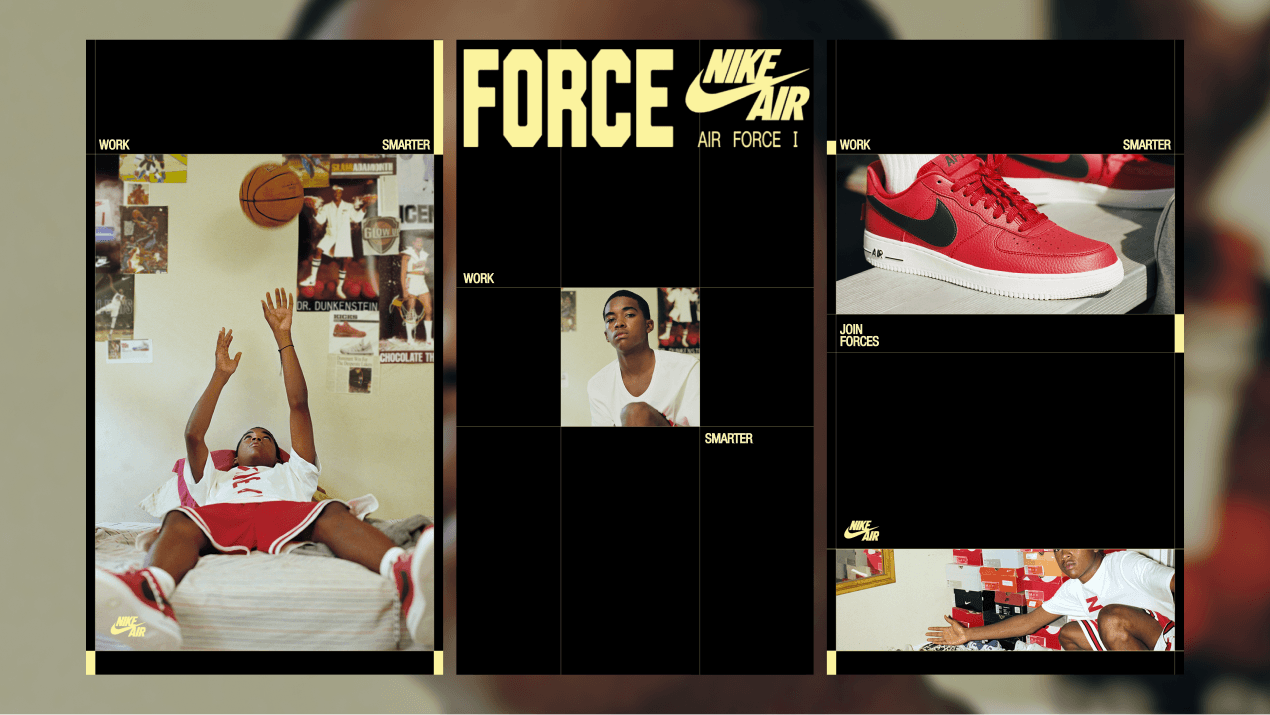
WORK
WORK
Smarter
Smarter

WORK
WORK
Smarter
Smarter



WORK
WORK
Join forces
Join forces
Smarter
Smarter
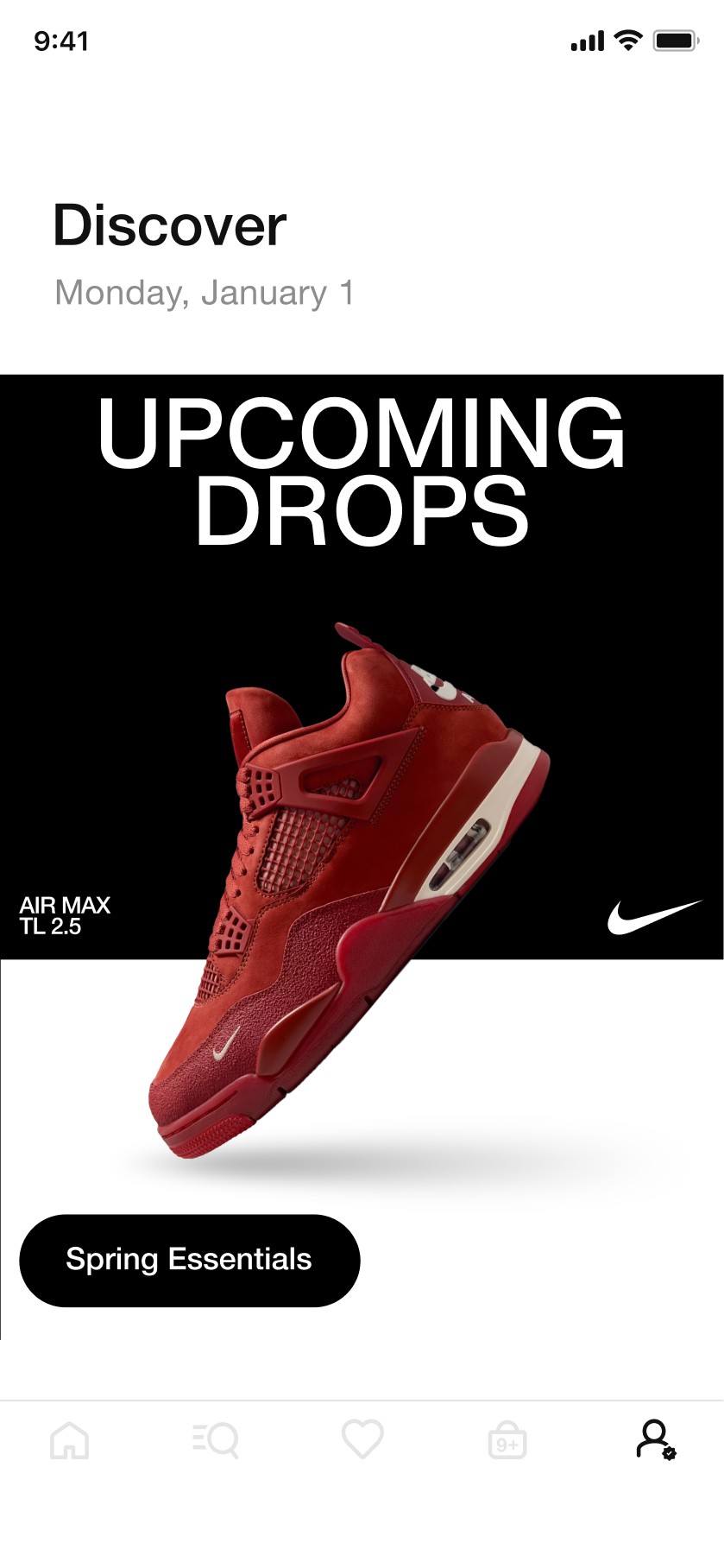
From there, the architecture would be sustainable
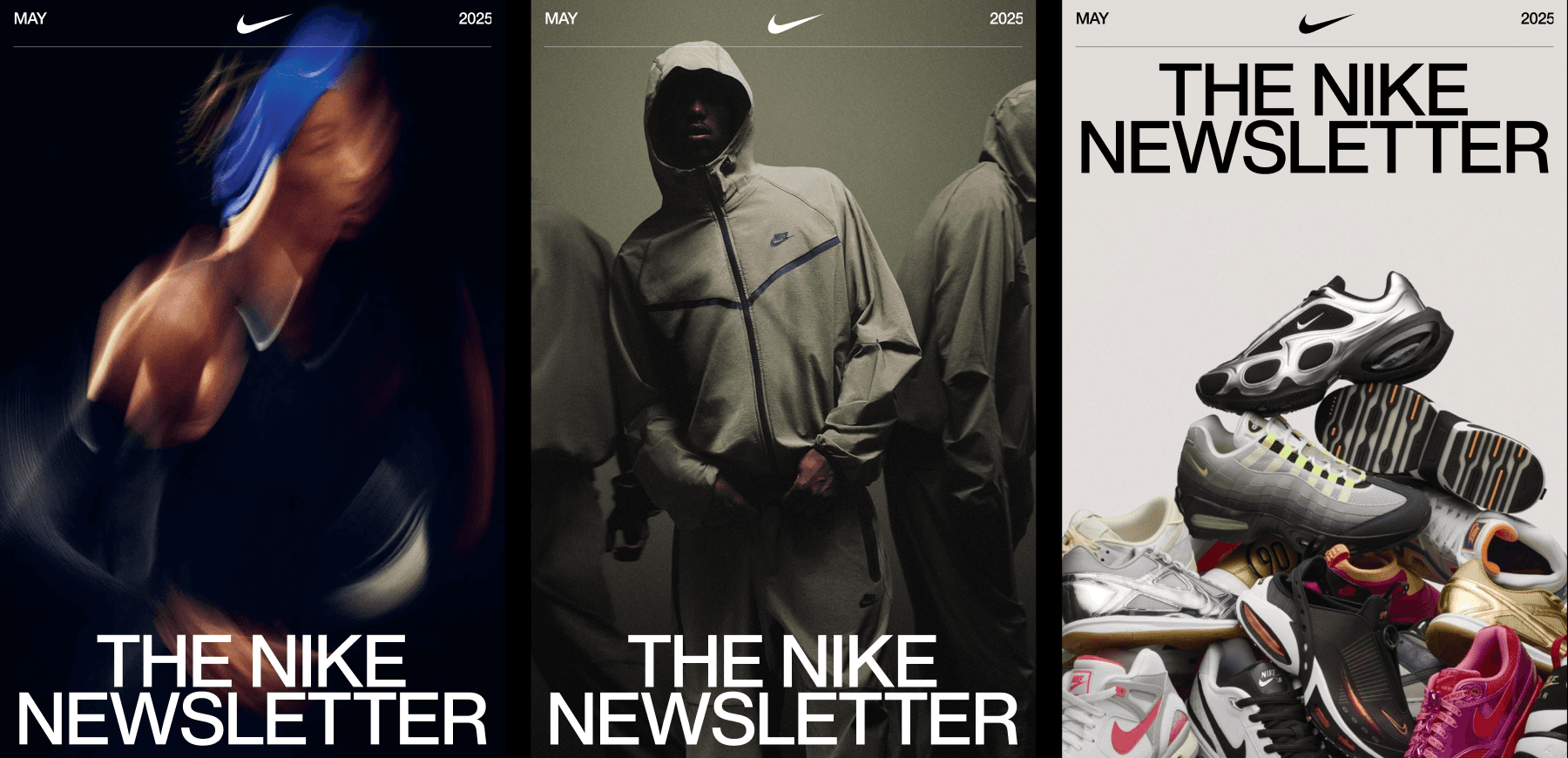
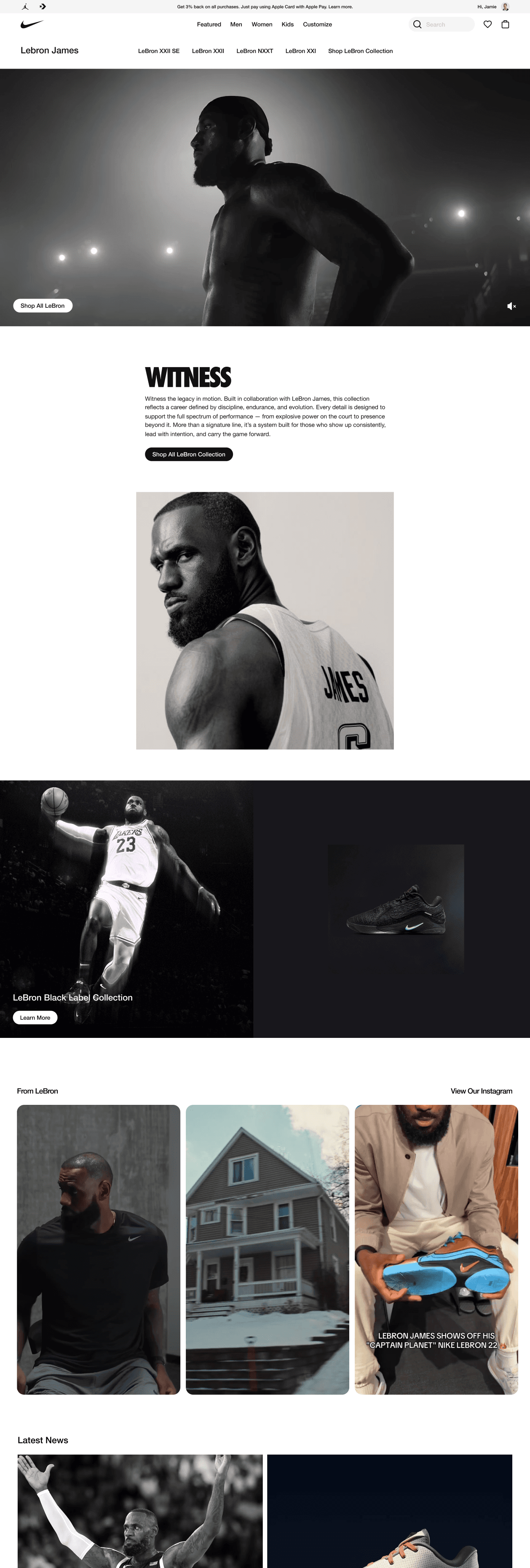
Dot-com, social, the app — each surface designed in relation to the others, each piece of content aware of where it lived, how it adapted, what it became as it moved. A shared logic underneath that answered the questions most teams skip: not just what to say, but where it lives and how it connects back to the whole.
What came out the other side wasn't more content. It was content that knew what it was part of.
An engine that could hold a story–not an output.
Dot-com, social, the app — each surface designed in relation to the others, each piece of content aware of where it lived, how it adapted, what it became as it moved. A shared logic underneath that answered the questions most teams skip: not just what to say, but where it lives and how it connects back to the whole.
What came out the other side wasn't more content. It was content that knew what it was part of.
An engine that could hold a story–not an output.

Nike threw brand books over the wall. Sweeping, cinematic, shot at a hundred thousand feet. Amazon caught them and did what Amazon does: moved fast, scaled wide, filled the gaps with whatever assets were available. The result was a storefront that looked nothing like Nike — discount-y, fragmented, every product flattened into the same transactional register. Nike saw dilution. Amazon saw throughput. Neither was wrong. They just didn't understand each other yet.
The tension nearly severed the partnership. Assets would come back rejected. Nothing would move. What looked like a creative problem was actually a relational one.
So the work started there — on set, in review sessions, inside Amazon's operational rhythm. Not arriving with a standard and enforcing it, but building one together in real time. Every constraint Amazon named became a design problem. Every rejected asset became a teaching moment. The playbook didn't precede the work — it accumulated from it, page by page, as both teams developed a shared eye.
That's the part that doesn't get documented: the moment two people standing in front of the same image finally see the same thing. That's when the vocabulary becomes shared. That's when the trust forms. That's what makes any document that follows actually useful.
Protecting the Integrity of the Whole
Nike and Amazon didn't fail the first time because of a contract gap. They failed because two organizations with completely different values handed each other the wrong things and expected it to work.
Nike x Amazon
Building coherence across distributed digital systems