When you're raising capital, you sell the biggest number. 100M rides. 30 countries. 5 continents. That language works in boardrooms. It doesn't work in city council meetings, where world's largest micromobility company sounds less like an achievement and more like a threat.
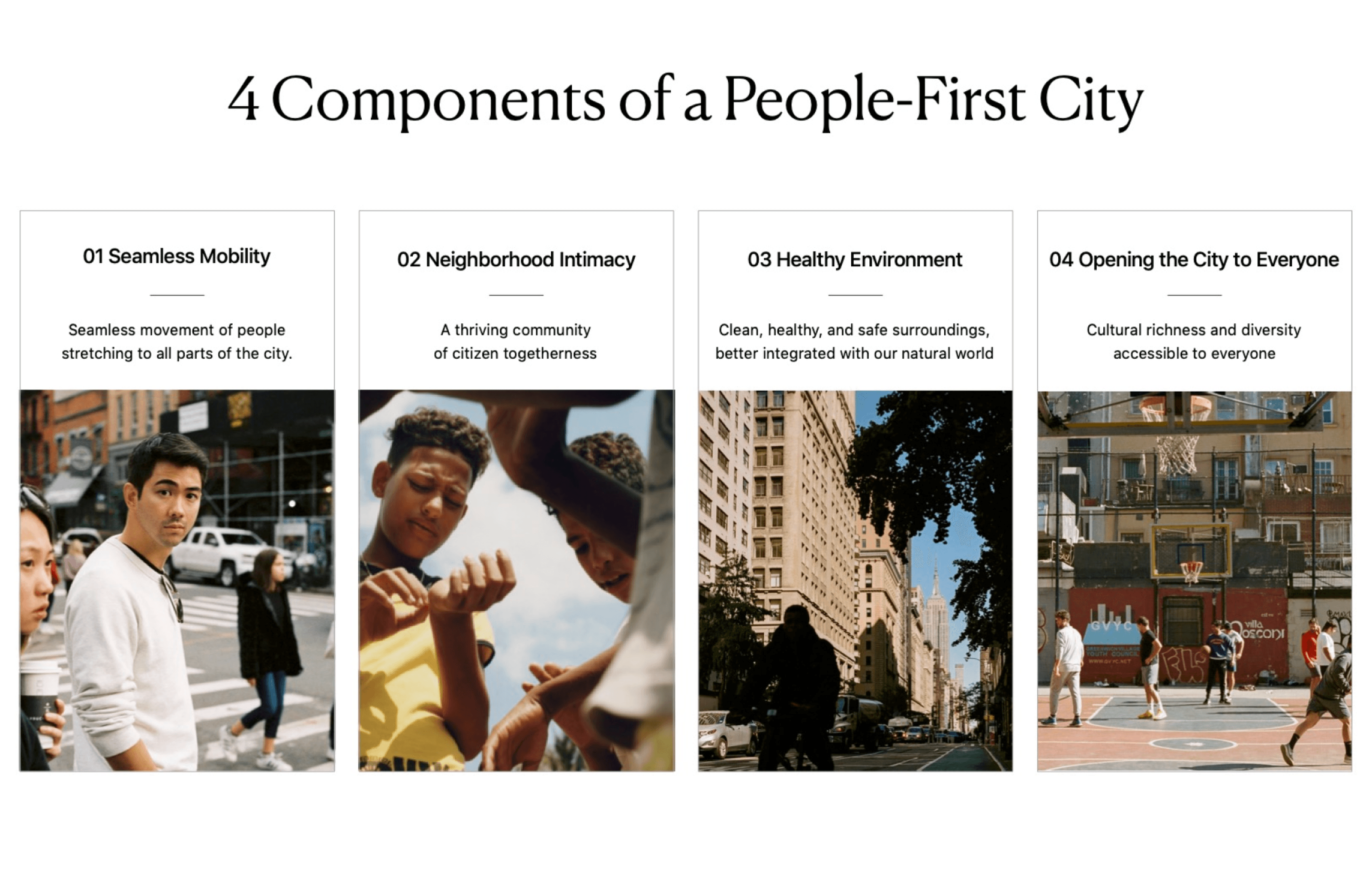
The founding belief was there. It had always been there: cities should be organized around people, not machines.
When you're raising capital, you sell the biggest number. 100M rides. 30 countries. 5 continents. That language works in boardrooms. It doesn't work in city council meetings, where world's largest micromobility company sounds less like an achievement and more like a threat.
The founding belief was there. It had always been there: cities should be organized around people, not machines.
The work was translation. Taking what the organization actually believed and ensuring every function could speak it fluently. Not just Brand and Comms, but Policy, Product, Operations, People. The conviction moved inward before it could hold outward. Gradually, it stopped being a narrative and became the operating logic — the thing that determined how Ops talked to cities, how GR represented riders, how the company showed up when the stakes were high.